Lessons from Climate Week 2026: Building a More Resilient Future Starts with a More Connected Food System
Last month, thousands of leaders gathered in New York City for Climate Week NYC to tackle one of the most pressing challenges facing every industry: building a more resilient future.
For those of us in the food service industry, the conversation went beyond emissions targets and sustainability commitments. Across panel discussions, industry gatherings, and conversations with clients and partners, a broader theme emerged. The future of food depends on the strength of the connections across the entire system, from the farms that grow our food to the kitchens that prepare it and the resources that help make future harvests possible.
Throughout the week, Compass Group helped lead conversations on food waste, culinary innovation and agriculture, showing how collaboration across the food system can turn ambitious goals into practical action.
Reducing Waste Requires Collective Action
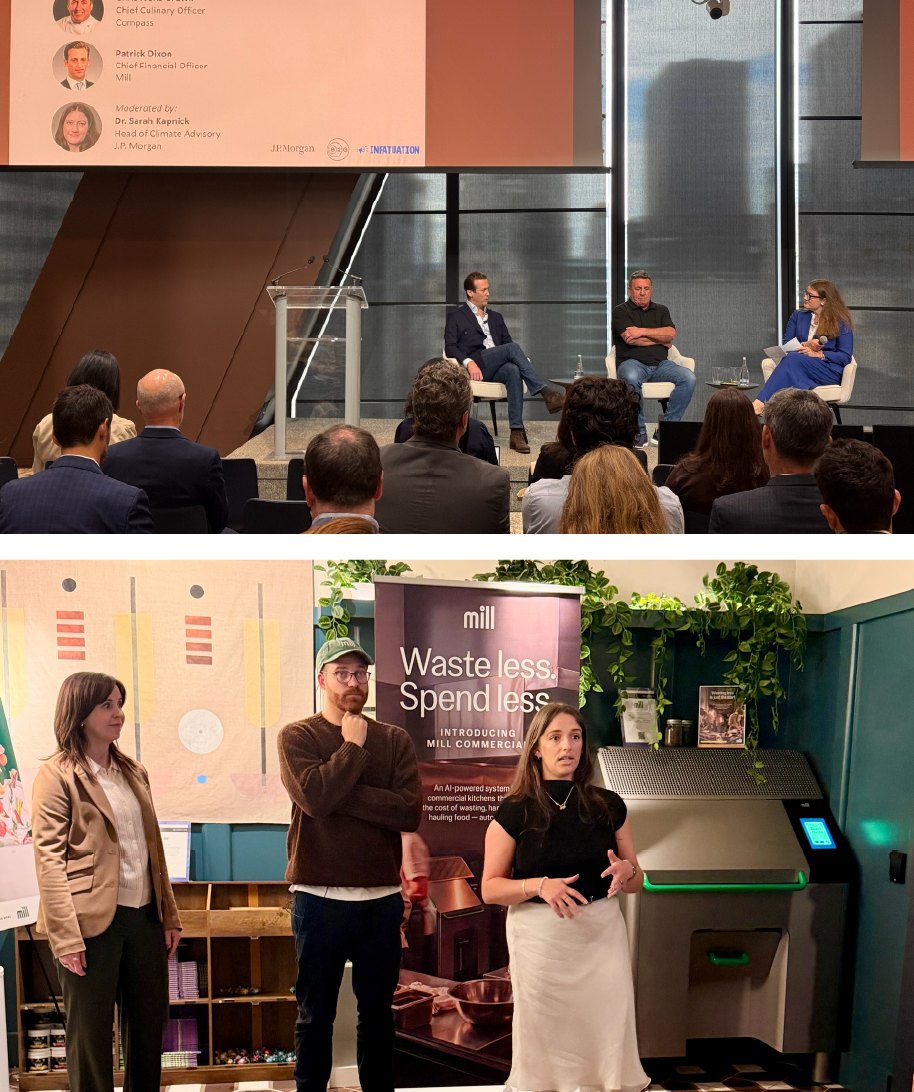
Food waste emerged as a recurring theme throughout Climate Week. At Food for Thought, co-hosted with Mill, Compass Group Chief Culinary Officer Chris Ivens-Brown joined operators and industry experts to explore more circular solutions for food scraps.
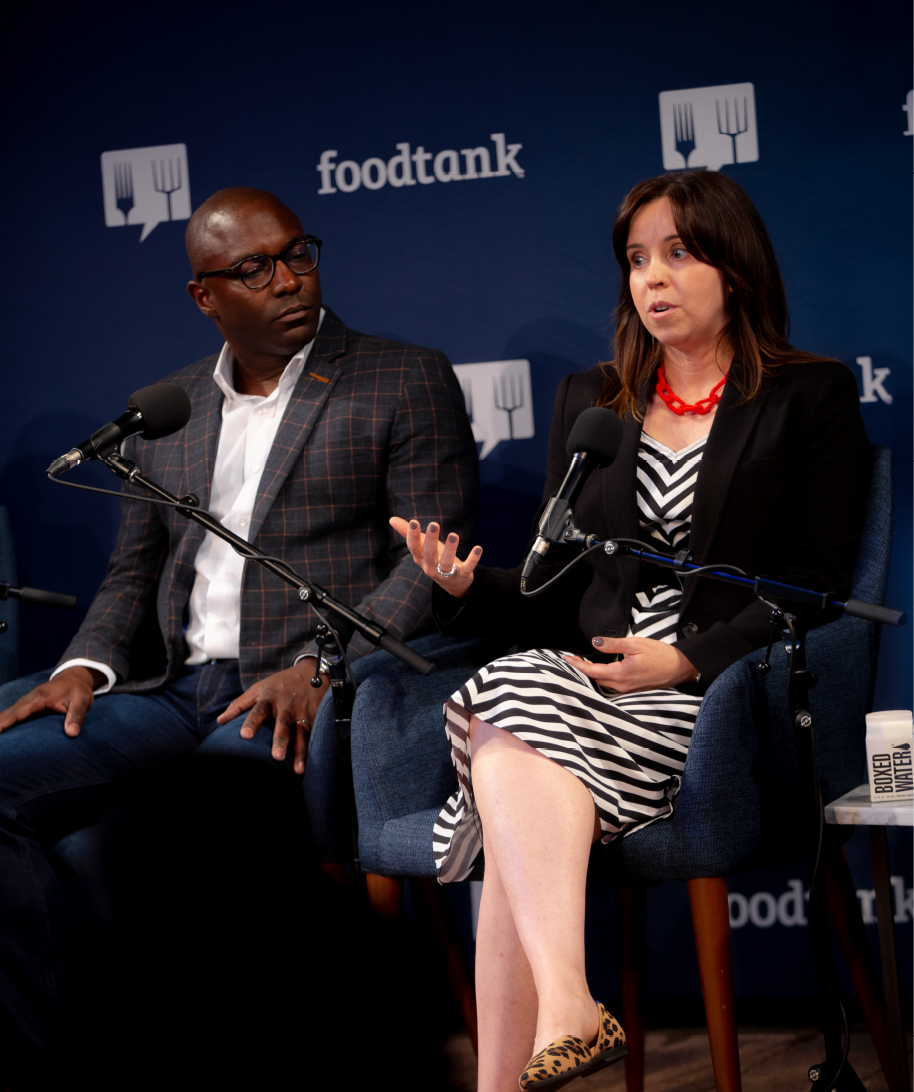
At Food Tank’s Solving Food Waste Summit, Compass Group Vice President of Sustainability Gwyneth Rampton emphasized that meaningful progress happens when everyone understands the role they play.
Technology like Waste Not™ 2.0 helps make that possible. Waste Not™ 2.0 helps teams identify where food waste occurs and take steps to prevent it through better forecasting, inventory management and operational practices.
Preventing waste is the first step. For what remains, Mill food recyclers help create new pathways for food scraps, supporting a more circular approach to resource recovery.
The Role Chefs Play
Conversations during Climate Week also reinforced the important role chefs play in shaping a more resilient food system. Restaurant Associates Wellness Manager Lisa Locke spoke about an important reality: people do not choose a meal simply because it was responsibly sourced. They choose it because it tastes great.
That makes culinary creativity essential. When chefs lead with flavor, they can introduce guests to new ingredients, plant-forward dishes and responsibly sourced options without making those choices feel like a compromise.
Our new culinary initiative, The Better Catch, reflects that approach. Developed in partnership with chef and sustainable seafood advocate Barton Seaver, it gives culinary teams the tools and insights to create memorable dishes using responsibly sourced species that support healthier oceans.
Building Stability at the Farm Level
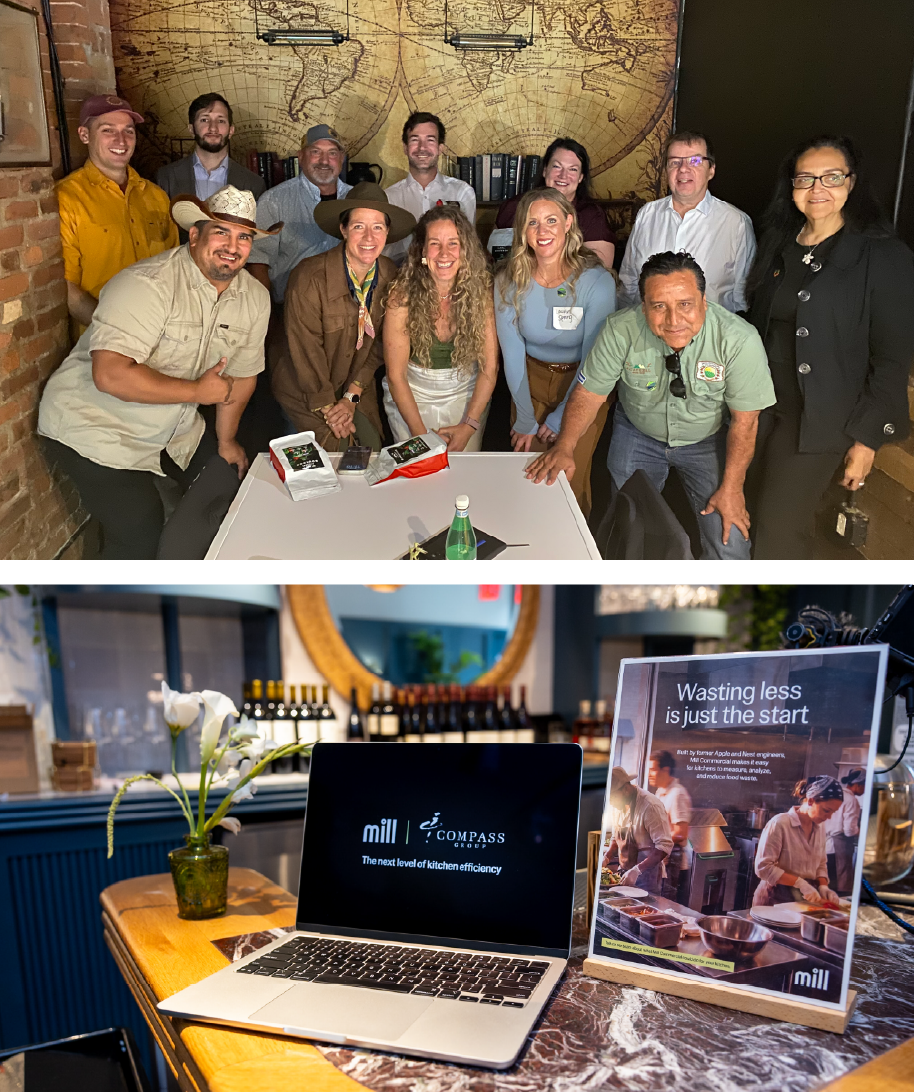
At Regen House, Lynn Gorsuch, who leads Foodbuy and Compass Group’s Grow With Us program, spoke about the importance of predictable demand for growers.
Small and midsize farms need dependable access to buyers and distribution networks. Grow With Us helps create those connections, giving farmers opportunities to grow their businesses while expanding clients’ access to locally grown products.
When farmers have confidence in where their products are going, they are better positioned to invest in their land, operations and people. Stronger connections between growers and buyers help create a stronger, more resilient supply chain.
The conversations at Climate Week made one thing clear: a more resilient food system depends on stronger connections across each part of it.
At Compass Group, our role is to help turn those connections into practical action. By bringing together our scale, culinary expertise and partnerships, we can help strengthen the system from farm to kitchen and create solutions that work in the places we serve every day.